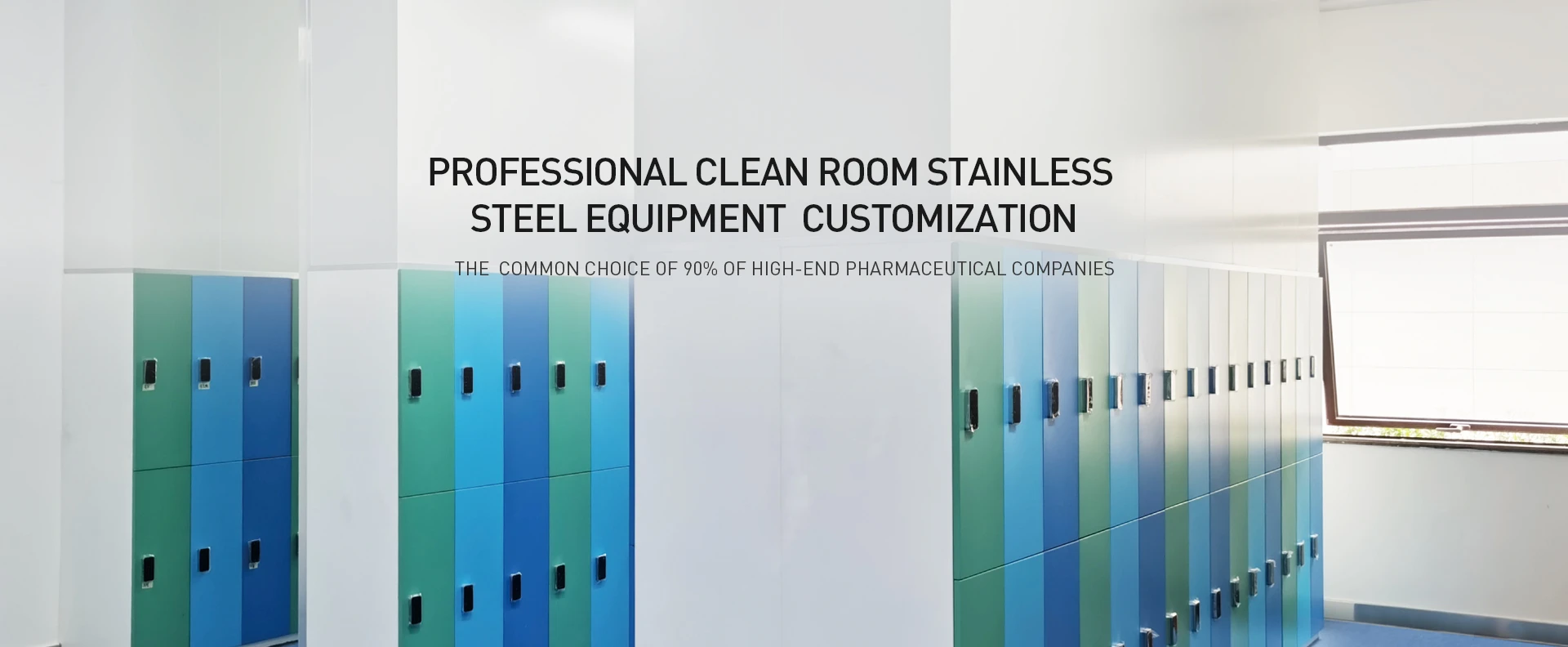
Introduction: Investing in SUS304 stainless steel work tables with durable, customizable designs ensures long-term efficiency and hygiene in busy labs and cleanrooms.
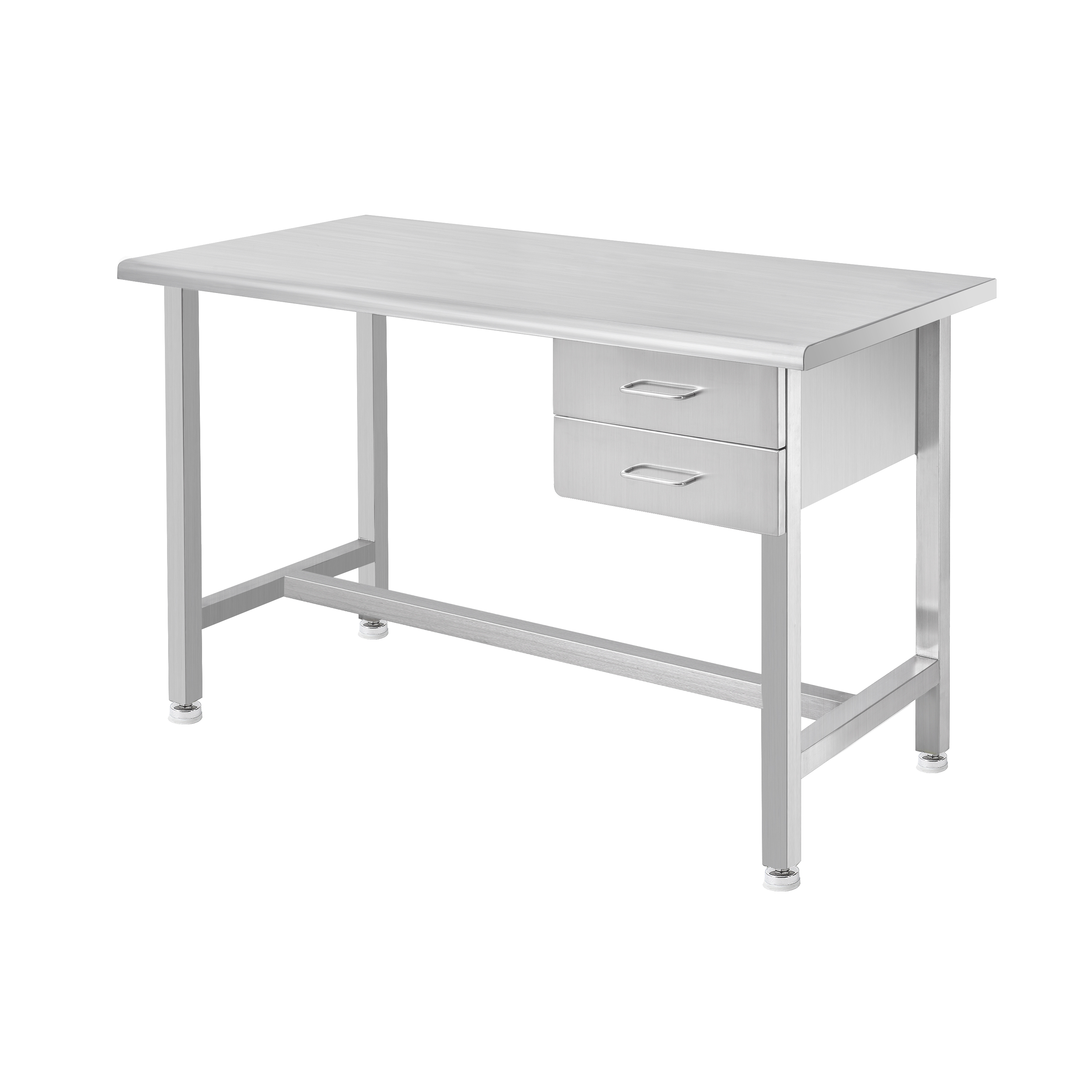
As winter transforms laboratories into busier hubs for experimentation and testing, the need for reliable workstations grows more pressing. A stainless steel work table in these environments isn’t just furniture; it’s a cornerstone of precision and efficiency that withstands the rigors of daily use all year round. Whether used for sample preparation or delicate assembly tasks, investing in the right stainless steel medical instrument table can profoundly impact operational flow and cleanliness, particularly during peak research seasons when demands intensify.
Evaluating material quality and customization options from stainless steel work bench manufacturers
The foundation of a dependable workspace lies in the quality of materials and the options available for customization. Manufacturers offering stainless steel work tables often highlight corrosion resistance and hygienic properties, but the specific grade of stainless steel used significantly influences durability and longevity. Opting for SUS304 stainless steel tubing, for example, provides robust resistance to rust and chemical damage, crucial for environments like clean rooms or medical labs where stringent cleanliness standards prevail. Beyond material specs, customization empowers users to tailor a stainless steel medical instrument table to their unique spatial and workflow needs. Adjustable shelf heights, additional undershelves, and accessory drawers accommodate a wide range of tools and instruments, ensuring seamless integration into intricate procedures. When evaluating suppliers, attention to how they balance material excellence with tailored design options can reveal their commitment to supporting diverse operational demands. This balance ensures workstations aren’t just robust, but also functionally aligned with the tasks they support, making the investment both practical and strategic.
The importance of durable design in achieving long-term ROI on stainless steel workbenches
Durability is often the silent factor that defines the real value of a stainless steel work table over time. A well-designed workbench withstands heavy loads without bending, endures repetitive cleaning without surface degradation, and maintains stability to support sensitive medical instruments during precise procedures. For professionals using a stainless steel medical instrument table, these traits translate directly into fewer disruptions and lower maintenance costs. Reinforced structures, such as thickened steel tubing with welded reinforcements, contribute to robust stability and load-bearing capabilities essential for heavy-duty laboratory or cleanroom applications. Additionally, non-slip feet reduce vibration and movement, protecting sensitive processes from errors and safeguarding equipment investment. By focusing on designs engineered for longevity, organizations avoid the pitfalls of frequent replacements and erratic maintenance, thereby preserving capital and securing consistent productivity. Ultimately, durable design not only preserves the integrity of the workspace but also strengthens overall operations by fostering confidence in the reliability of daily tasks.
Comparing supplier capabilities for tailored cleanroom and laboratory workstation solutions
Selecting the right manufacturer involves more than assessing materials and durability; it also requires evaluating how suppliers meet specialized environmental needs. Cleanrooms and laboratories impose unique requirements on furniture, often demanding meticulous sanitary surfaces and configurations that facilitate compliance with health and safety regulations. Some manufacturers excel in delivering stainless steel work tables that integrate easily with cleanroom protocols, offering features like seamless welding to minimize particle accumulation and optional marble tops for highly precision-focused activities. The ability to customize dimensions and accessories further supports tailored workflow designs, enabling users to organize tools, instruments, and heavy equipment with thoughtful spatial efficiency. This collaborative customization can vastly improve the ergonomic and procedural aspects of a workspace, ensuring that every element of the stainless steel medical instrument table supports flawless operations. When suppliers demonstrate a deep understanding of these industries’ nuances and adapt their manufacturing to meet them, they offer more than just products—they provide strategic solutions that bolster productivity and compliance in controlled environments.
Investing in a stainless steel work table or a stainless steel medical instrument table invites a blend of practical benefits and professional assurance. Reliable materials combined with tailored options create a workspace that stands up to rigorous daily use while supporting precision and hygiene. Its design stability delivers confidence during complex tasks, with adaptability ensuring a fit for diverse, evolving needs. Looking ahead, such workstations are poised to remain essential fixtures across laboratories, cleanrooms, and industries valuing cleanliness and durability, reflecting thoughtful partnerships that prioritize enduring reliability and function.
References
1. Stainless Steel Work Table with H-Brace & Drawers – Custom Stainless Steel Table – Features multiple drawer sizes and a stable load-bearing structure.
2. Stainless Steel Instrument Table/Work Table with H-Brace – Offers a double-clad, fully welded construction for enhanced hygiene.
3. Stainless Steel Work Table with Shelves – TFK0903 – Includes a multi-layer shelf design for optimized storage.
4. Stainless Steel Lab Table with Sink – TFK08 – Combines an integrated countertop and sink for easy lab cleaning.
5. Stainless Steel S-Shaped Shoe Changing Stool – TFK0301 – Designed for clean areas with a double-clad full welding structure.