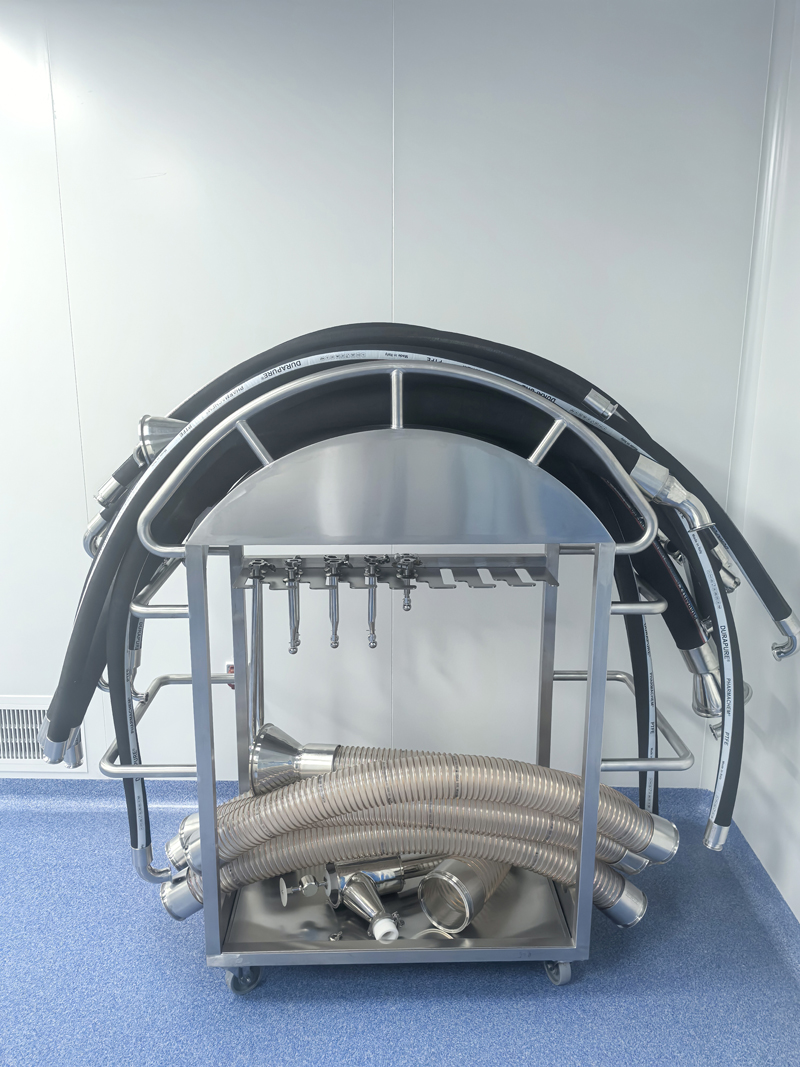
Adjustability and modularity have become critical attributes in laboratory furniture, as pharmaceutical research spaces demand both configuration flexibility and meticulous organization. The innovative designs coming from stainless steel lab furniture manufacturers today include customizable dimensions and internal accessories to match specific operational needs. Cabinets like the TFK model provide adjustable shelves engineered to hold significant loads safely, alongside internal hooks and dividers that aid in separating instruments and materials systematically. Such features maximize usable space, keeping essential items within easy reach without overcrowding. Optional additions like UV disinfection or moisture control devices further integrate into the cabinet’s framework, supporting sterile conditions and extending the usability of sensitive components. Custom sizing ensures that furniture aligns with architectural constraints and workflow pathways unique to each laboratory. This modular nature not only encourages better space management but also supports evolving research demands by accommodating new equipment or layouts without heavy renovation. By blending structural versatility with hygienic considerations, these innovations underscore a commitment to operational efficiency and compliance within pharmaceutical labs.
Sharp attention to workflow compatibility defines the current trajectory of innovations in laboratory furniture, particularly among stainless steel lab furniture manufacturers focused on pharma applications. Features like one-piece sloped roofs, brushed finishes, and modular internals collectively address the demanding balance of hygiene, durability, and usability. These design improvements help labs maintain cleanliness standards, improve ergonomics, and optimize space, all essential for daily success. As pharmaceutical research advances and standards tighten, furniture solutions that prioritize adaptable, contamination-resistant design become essential contributors to laboratory effectiveness and reliability. Reflecting on these developments suggests that adopting such tailored cabinetry supports a smoother, safer research environment built to meet both current and emerging operational requirements